Thursday, September 22, 2016

Unit 2 Reflection

          Unit 2 was about miniature biology and the different types of molecules that our bodies need. The themes and understandings were about macromolecules. We learned the different types of macromolecules that our bodies need what they do to function. The first macromolecule that we learned about were carbohydrates, which provide the main source of energy for our bodies, such as sugars, bread, cellulose, etc.
Image result for carbohydrate molecule

Next were lipids, which are long chains of hydrocarbons that store a lot of energy for our bodies, such as butter, oils, waxes, cholesterol, etc.
Image result for lipids molecule

Third were proteins, which make up most of our bodies and speed up chemical reactions, depending on what kind of protein they are. Structural proteins make up most of the structures in the body, and enzymes are catalysts that speed up chemical reaction that happen in the body.
Image result for protein molecule

The last one we learned about were nucleic acids. Some nucleic acids that we learned about were DNA, RNA, and ATP. DNA is the blueprint for telling the body how to make proteins, RNA is a temporary copy of DNA that also tells the body how to make proteins, and ATP is the nucleic acid that transports energy throughout the body.
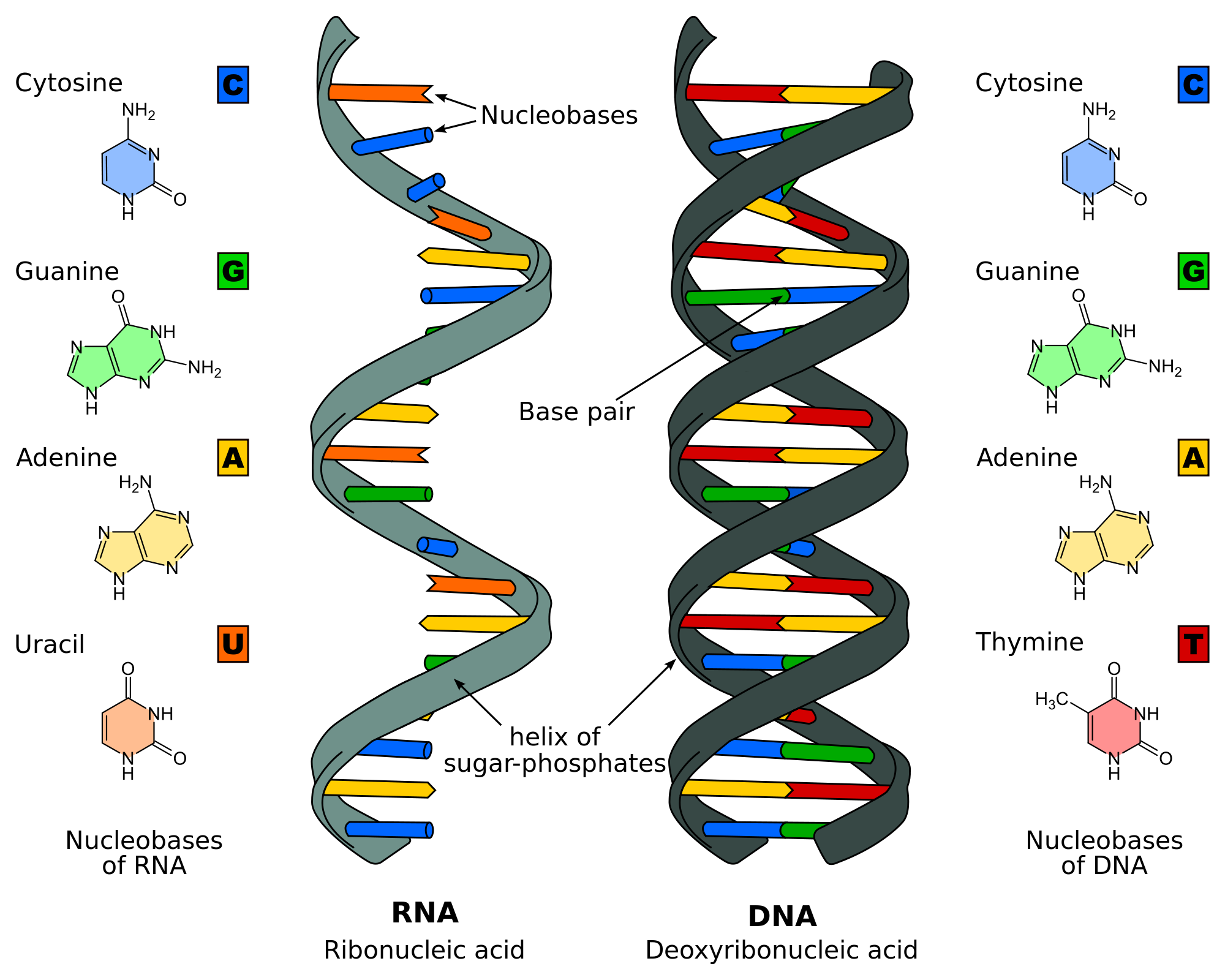
Image result for DNA molecule
          This unit went well in my opinion. Some of the things we learned were review for me, but it went more in depth than what I had learned in previous years. My strengths were that I had already known much of this knowledge from Life Science in 7th grade and that I know how the molecules and chemicals behave from my knowledge of chemistry in 8th grade. I feel like I didn't have any weaknesses in this unit because I understood all of the material that was taught and I have a deeper understanding of how our body uses these macromolecules to function and live. My successes were the labs. The labs that we did in class were the sweetness lab, the enzyme virtual lab, and the cheese lab. The sweetness lab was about tasting different carbohydrates and learning that their sweetness depends on how many "rings" of carbohydrates there were in each molecule. Carbohydrates with one or two rings had a higher sweet content than carbohydrates that had more than two rings, which had a starchy taste. The enzyme virtual lab was about seeing the affects of pH, temperature, substrate and enzyme on a product. The cheese lab was also about seeing the affects of pH, temperature and enzyme on a substrate and product. In the cheese lab, we tested different types of curdling agents, such as chymosin, rennin, buttermilk, and milk. We also tested to see which conditions would curdle the milk faster, such as pH and temperature. Some setbacks were not having proper lab etiquette when we were doing the cheese lab, as many people got pipettes mixed up, possibly contaminating the substances that we were working with.
          I learned many things from this unit. I went into deeper understanding of the four macromolecules and I used them in labs to show how they function in real life. I learned about the different structures and functions of the different macromolecules and specific types of each molecule such as monosaccharide, disaccharide, polysaccharide, unsaturated fats, saturated fats, structural proteins, enzymes, DNA, RNA, and ATP. I am a better student than when we started this unit because I learned many new facts and expanded my knowledge in miniature biology.
         

Friday, September 16, 2016

Sweetness Lab

          In this lab, we tested for the sweetness of different carbohydrates. The carbohydrates that we tested were sucrose, glucose, fructose, galactose, maltose, lactose, starch, and cellulose. The monosaccharides that we tested were glucose, fructose, and galactose. The disaccharides that we tested were maltose and lactose. The polysaccharides that we tested were starch and cellulose. We rated the different carbohydrates from a scale of 0 - 200. The claim is that if monosaccharides and disaccharides are sweeter than polysaccharides, then fructose, a monosaccharide, will be sweeter than starch, a polysaccharide.
          Carbohydrate structure can affect how they are used by cells and organisms. Monosaccharides, or carbohydrates with one ring, and disaccharides, or carbohydrates with two rings, are used by cells and organisms by using them as quick energy. Polysaccharides, or carbohydrates with three or more rings, are used by cells and organisms as long term energy as they are digested and converted into energy slower than the simple carbohydrates like monosaccharides and disaccharides.
          Not all testers gave the same rating because each person has a different point of view and they taste things differently than other people. Also because of the amount of the carbohydrate that they tasted. One person could have a bigger sample of a type of carbohydrate than another person, causing the taste to be slightly different between each tester, resulting in a different rating. Another factor that could make the ratings different from each tester is that some people are lactose intolerant and cannot consume the lactose that is needed to conduct this lab, so they cannot give an honest rating based on their taste.
          There are many things that cause humans to taste sweetness. There are receptor proteins on the tongue that detect sweetness. When the taste receptor cells that detect sweetness comes in contact with a substance that is sweet, it sends a signal to the brain saying that substance is sweet.

Results and Data:


Carbohydrate
Type of Carb
Rating
Color
Texture
Observations
sucrose
disaccharide
100
white
granular
table sugar
glucose
monosaccharide
150
white
granular
very sweet
fructose
monosaccharide
180
clear
granular
used in most foods
galactose
monosaccharide
75
white
powdery
clumpy
maltose
disaccharide
80
yellow
granular
tastes like sweet potatoes
lactose
disaccharide
50
white
powdery
clumpy
starch
polysaccharide
10
white
powdery
clumpy
cellulose
polysaccharide
0
white
powdery
clumpy and dry

Tuesday, September 6, 2016

Biology Collage


Jean Lab

          The question for this lab was, "What concentration of bleach is best to fade the color out of new denim material in 10 minutes without visible damage to the fabric?" We found that different concentrations of bleach had different effects on the denim. We tested with 100%, 50%, 25%, 12.5%, and 0% concentrations of bleach and we noticed that the higher the concentration, the higher the color change. In our experiment, we found that the 100% concentration did the most to fade out the color off of the jeans and surprisingly, it didn't do any visible damage to our material. In fact, none of the concentrations damaged the denim. I thought that the 50% concentration made the jeans look the best out of the other concentrations. The average rating out of 10 for color change was about 5, while the average rating out of 10 for fabric damage was 0. I feel 5 out of 10 looks the best because the 100% concentration gave a rating of about 6.5, which was too light, the 25% gave a rating of about 5.5 which was also too light, the 12.5% gave a rating of about 3, which was too dark, and the 0% gave a rating of 0 which was also too dark. I think that the 50% concentration gave a rating that was not too dark or too light.
          While our hypothesis was supported by our data, there could have been errors due to many factors. One error could be that we could have used different fabric from different pairs of jeans to do the experiment. These errors could have affected the results by making them invalid, since there are too many variables being changed. In a well thought out experiment, there should only be one thing that should be changed and that is the independent variable, or the thing that we are testing. Due to this error, I would recommend that you use denim material from the same source to have a constant constant. Another error that could have happened is pouring the wrong concentrations of bleach onto the jean squares. This could have affected the results by making the results for let's say 25% concentration wrong, because the concentration is not actually 25% but could be more or less than that. Due this error, I would recommend that you carefully measure out the bleach and the water.
         This experiment was done to demonstrate the scientific method, and it taught us how to use it in a real life situation. From this lab, I learned about the effects of bleach on jeans which helps me understand the concept of the scientific method. Based on my experience from this lab, I could use the scientific method to conduct other experiments and to answer scientific questions or problems. The experiment went well and the procedure could be improved if everything was measured exactly, if everything was timed more  precisely, or if everything was controlled to be exactly the same except the independent variable. This lab was important in understanding biological concepts by teaching us about the scientific method so that we can use it later when we do other experiments involving biology.