Wednesday, December 14, 2016

Unit 5 Reflection

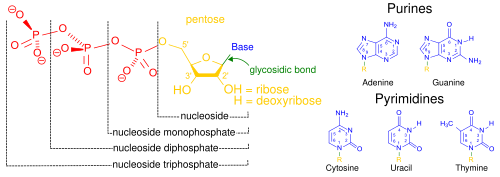
          This unit was about DNA, the central dogma of biology, mutations and gene regulation. The essential understandings of this unit were the structure of DNA and RNA, how proteins are made, how mutations occur, how genes are expressed, and how genes are regulated. DNA and RNA are made up of nucleotides which are a sugar, phosphate group, and a nitrogen base. Proteins are made through the central dogma of biology. The central dogma of biology is the steps from DNA to RNA to protein to phenotype.

Image result for nucleotides
https://upload.wikimedia.org/wikipedia/commons/thumb/e/e2/Nucleotides_1.svg/500px-Nucleotides_1.svg.png

          Some of my strengths in this unit were understanding many of the concepts and lessons taught, and the labs that we did. I feel like this because every lesson presented the information well and I could grasp that information well. Also, the concepts were very easy to understand and it seemed logical for that to happen. My weaknesses were understanding eukaryotic regulation. It was a difficult concept for me to grasp and understand at first compared to everything else I've learned in biology, but I was able to understand it once I reviewed it a couple of times. Some of my successes were getting the homework done and the blog posts done. My setbacks were minimal. I would say that one of my setbacks was understanding how eukaryotic regulation worked, but I was able to overcome it by reviewing it more. I want to learn more about eukaryotic regulation because I feel like I was given a brief overview into it and I want to go more in depth into that. Some questions I have are about mutations and regulation. I wonder about how all this extremely complicated things are happening inside our very own bodies and how much mystery and complexity there is to life.
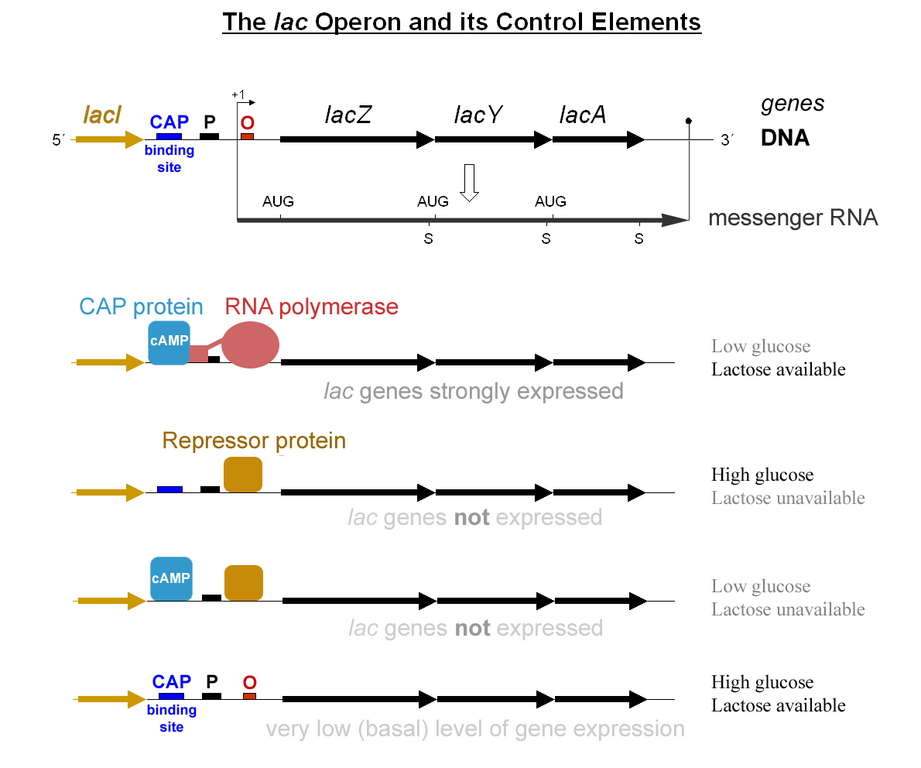
Image result for lac operon
https://upload.wikimedia.org/wikipedia/commons/thumb/d/d2/Lac_operon-2010-21-01.png/921px-Lac_operon-2010-21-01.png

          My growth as a student this unit has been a normal amount in my opinion. I have learned new concepts and ideas to genetics and this has allowed me to understand more about what happens in our bodies and why it does happen. This has led me to being a better team member in labs and has made my character better in the classroom by being more on top of my work at home and in class. Last unit I took the VARK questionnaire. It gave a list of questions about how I handle problems in life and it gave me a score of me being a visual, aural, reading/writing, and kinesthetic learner. I have applied that in this unit to help me learn better than before. Some times it worked, like for understanding eukaryotic regulation which I had trouble understanding using my own personal way of learning, and some times it didn't, like for when I was learning about the central dogma of biology. Just listening and watching the vodcast was all I needed to understand the dogma completely. When I tried to use the ways of learning from the VARK questionnaire results, I found that it was more efficient and easier to use my way instead of the questionnaire's ways. This has also made me a better student by making me realize different ways of studying and how and when to use different techniques for studying at different times.

Monday, December 12, 2016

Protein Synthesis Lab

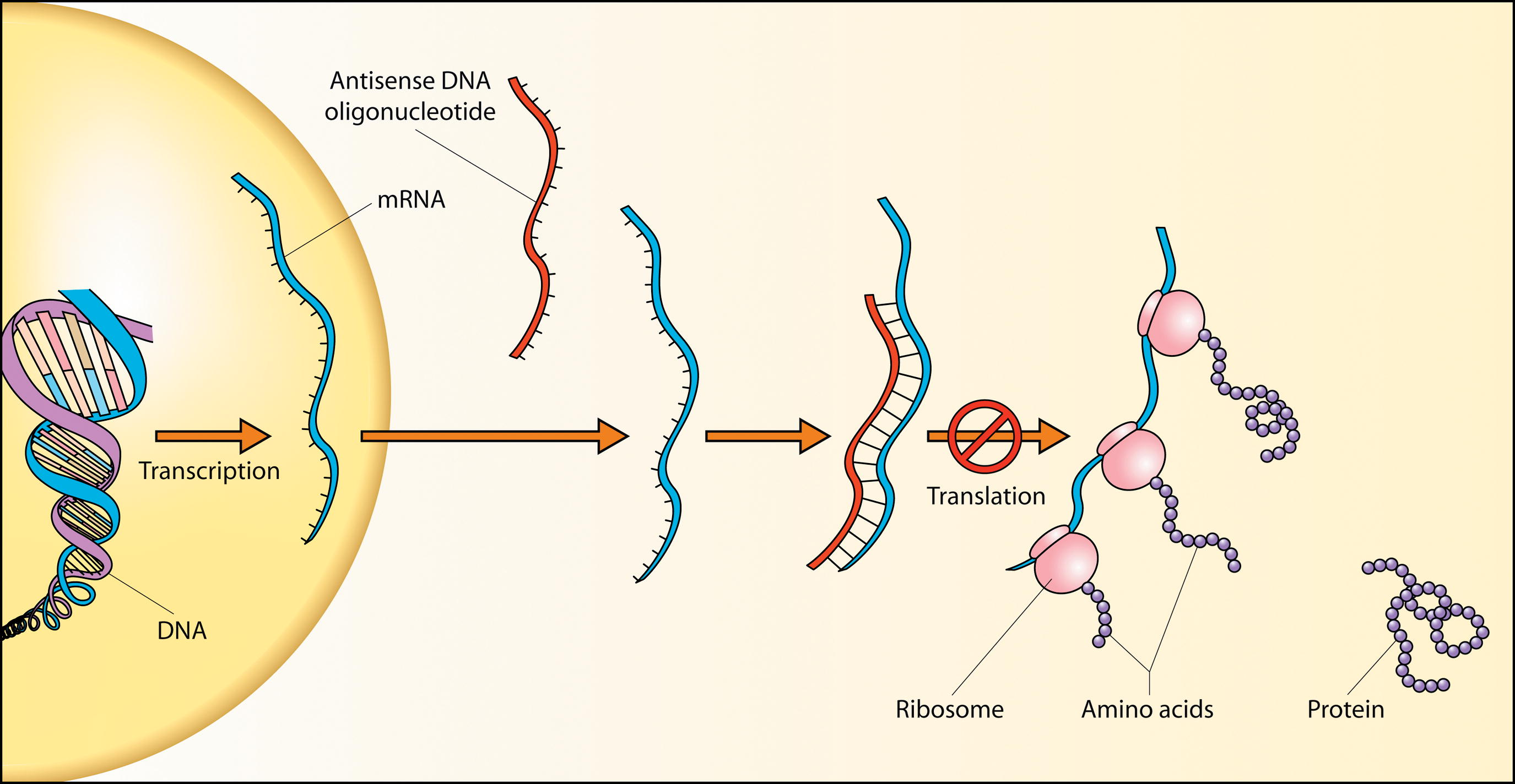
          The five steps to make a protein start at the DNA. The DNA has the gene to make the protein, so the RNA polymerase comes in to make a copy of messenger RNA to send out to the ribosome. The mRNA reaches the ribosome and it tells it what protein to make. Every three nitrogen bases in the mRNA is called a codon and it codes for one amino acid. The ribosome builds the protein using the instructions from the mRNA to put together the amino acids to make the protein.
Image result for mRNA
https://upload.wikimedia.org/wikipedia/commons/1/19/Antisense_DNA_oligonucleotide.png
       
          Changing the bases in a DNA molecule can affect the protein in many ways. These are called mutations. There are different types of mutations and some of them affect the protein more than others. One type of mutation is substitution, where a base pair is replaced or substituted with another, which might affect an amino acid for the protein. Another type of mutation is a frameshift mutation. These include insertion and deletion. Insertion is when an extra base pair or more are added to the original sequence. This causes the whole sequence of DNA to shift over, causing different amino acids to be made and a completely different protein. Deletion is when a base pair or more are deleted from the sequence, resulting in the sequence to shift back and change the protein that the original strand coded for. Frameshift mutations usually had a bigger effect on the overall protein compared to the point mutations like substitution, because they changed the whole protein, where as the point mutations only changed one or two amino acids.
Image result for mutation
https://upload.wikimedia.org/wikipedia/commons/3/31/DNA_UV_mutation.png
         
          I chose insertion because I thought that inserting a base pair at the front of the gene would make it so that the start codon would be messed up, so the protein couldn't even begin to make it. This mutation compared to the other mutations is very different. This mutation stopped the protein from ever getting made, where as the other mutations just changed the original protein. It does matter where the mutation occurs because if it happens at the beginning, then the protein can't start to be made.
Image result for insertion mutation
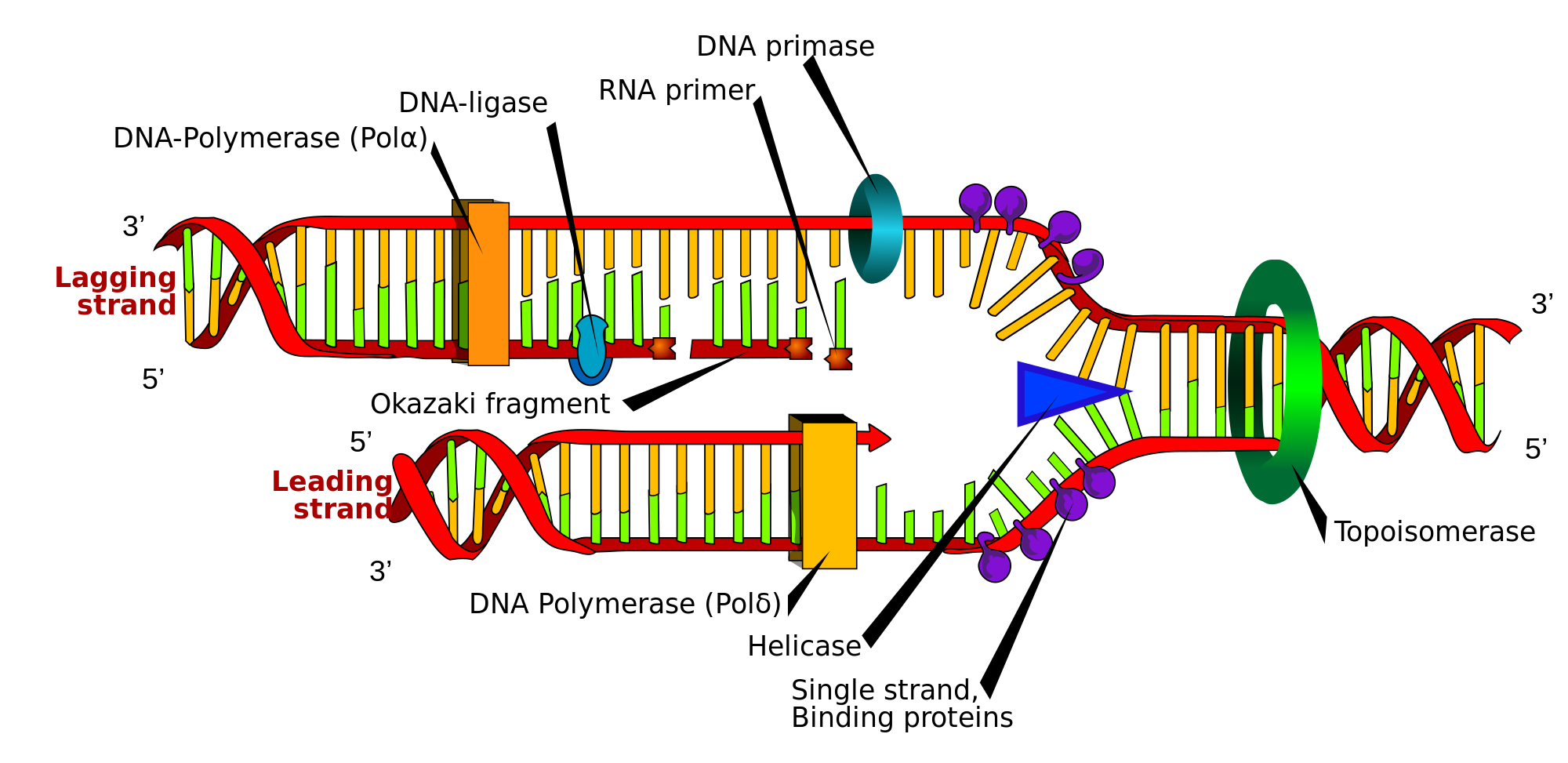
https://upload.wikimedia.org/wikipedia/commons/thumb/8/8f/DNA_replication_en.svg/2000px-DNA_replication_en.svg.png
         
          Mutations could affect my life by affecting my health and how my body works. A mutation that causes a disease is a mutation in only one base pair that causes sickle cell anemia. It alters the hemoglobin in the red blood cells and makes the cell change from a doughnut shape to a sickle shape. This causes the oxygen to not be held in the red blood cells and body parts don't get enough oxygen to function. Also, the abnormal shape of the cells cause them to not fit into the really small blood vessels and clog them up, not allowing much to go through.
Image result for sickle cell anemia
https://upload.wikimedia.org/wikipedia/commons/8/86/Risk-Factors-for-Sickle-Cell-Anemia_(1)2.jpg

Friday, December 2, 2016

DNA Extraction Lab

          In this lab we asked the question "How can DNA be separated from cheek in order to study it?" We found that DNA can be separated from human cheek cells. The evidence is that we observed clumps of DNA float in the middle of the solution to extract the DNA. This evidence is also present in the lab handout that we were given. It gave the steps to extract the DNA and what happens when the DNA is being extracted. This data supports our claim because after we did the procedure to extract the DNA, we observed clumps of DNA floating in the middle of our solution.
          While our hypothesis was supported by our data, there could have been errors due to not having an easy to understand list of steps for our procedure. All we were given was information about extracting DNA, which did not give any specific steps, and a jumbled list of specific steps. This information could have been messed up while trying to put together the right order of steps and could have gotten invalid data or even no results at all. Another error could have been not measuring the substances correctly. This would lead to variations in data and possibly make our data invalid. It could also make it so that we don't get any results at all. Due to these errors, in future experiments I would recommend that whoever is doing this lab would get a proper list of steps to follow so data doesn't get compromised. Also, I would recommend that people doing this lab measure the substances properly and add them properly so as to not compromise the data.
          This lab was done to show us what DNA looked like in real life and how to separate it from the rest of the cell. From this lab I learned about what specific chemicals do to the structure of the cell to break it down and separate it to extract only the DNA out, which helps me understand the concept of DNA's chemical structure and the rest of the cell's chemical structure. Based on my experience from this lab, the way I would apply this to another situation is that I could use this knowledge to extract other things besides DNA in the cell, and I could also use this skill and knowledge to analyze real DNA extracted from the cell to observe it and possibly determine the genetic code from that strand of DNA. This relates to what I learned in the vodcasts. It taught me the many characteristics and functions of DNA, which led me to do this lab better than if I didn't know what DNA's properties were.